What is Phishing?
Phishing is a prevalent form of cybercrime where scammers trick individuals into revealing sensitive information, such as passwords and personal details. This deceptive practice can take many forms, including emails, text messages, and phone calls, all designed to appear as if they come from a trusted source.
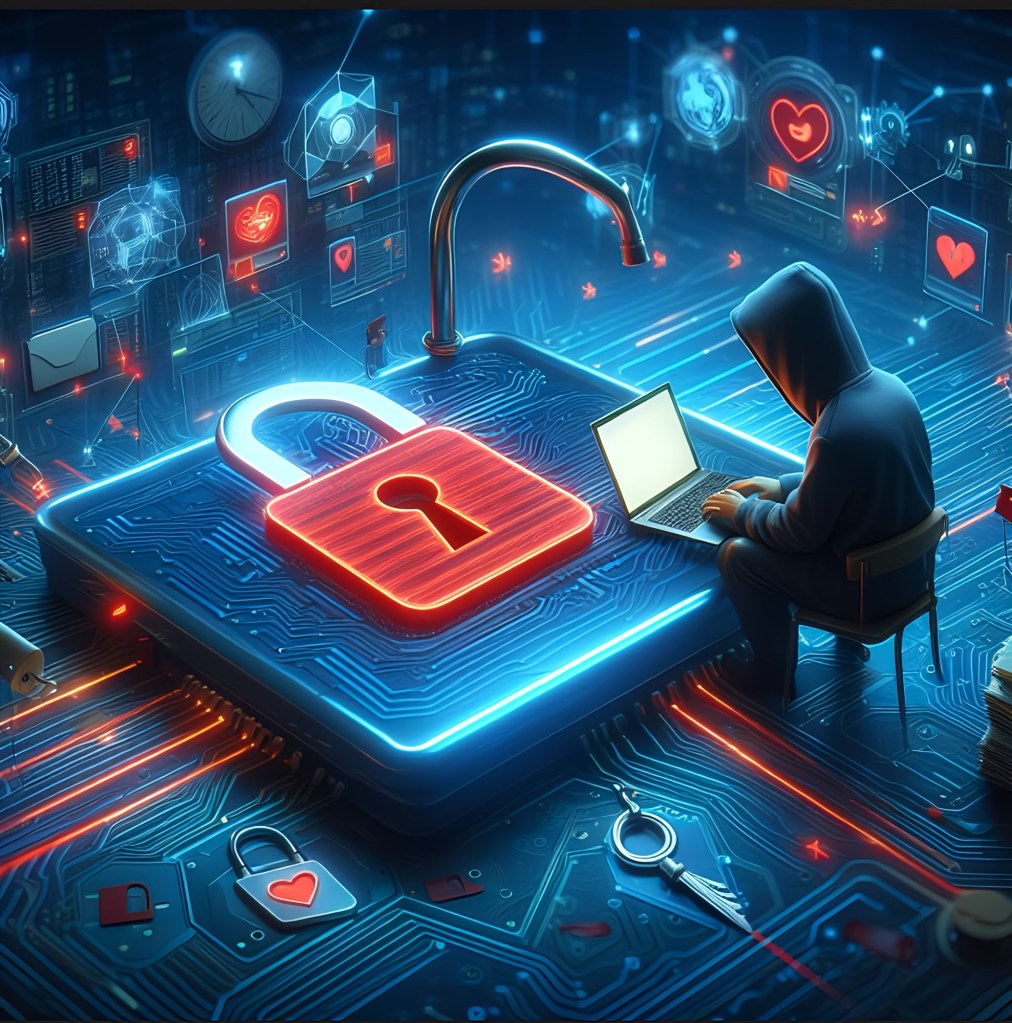
How Phishing Works
Phishing typically follows a pattern:
- Target Identification: Scammers choose their victims and gather information to make their attack more convincing.
- Message Crafting: They create fraudulent messages or websites that mimic legitimate sources.
- Deployment: These messages are sent out to potential victims, often en masse.
- Data Harvesting: Unwary individuals who fall for the scam provide their sensitive information.
- Exploitation: The collected data is used for malicious purposes, such as identity theft or financial fraud.
Recognizing Phishing Attempts
To protect yourself, it’s crucial to recognize the signs of phishing:
- Urgent or Threatening Language: Messages that pressure you to act quickly or threaten negative consequences.
- Suspicious Links: Hover over links to check their destination before clicking.
- Requests for Personal Information: Legitimate organizations will not ask for sensitive details via email or text.
- Unusual Sender: If an email comes from a public email domain or a misspelled address, it’s likely a scam.
Prevention and Protection
- Use Security Software: Protect your devices with security software that can detect and block phishing attempts.
- Stay Informed: Keep up-to-date with the latest phishing techniques and educate yourself on cybersecurity.
- Verify Sources: If in doubt, contact the organization directly using verified contact information.
Phishing is a serious threat, but with vigilance and the right tools, you can safeguard your personal information and maintain your online security.
Real-life Examples of Phishing Attacks
Phishing attacks are a serious threat in the digital world, where cybercriminals use deceptive emails, websites, and other forms of communication to steal sensitive information. Here are some real-life examples of phishing attacks that have had significant impacts:
- Estonian Cyber War (2007): A massive cyberattack targeted Estonia’s digital infrastructure using a network of compromised computers, affecting nearly a million devices.
- HBGary Federal Attack (2011): Hackers associated with Anonymous infiltrated HBGary Federal, compromising over 50,000 personal emails and financial details.
- RSA Security Breach (2011): RSA Security faced a major breach, compromising its SecurID authentication technology, with costs estimated at approximately $66 million.
- AP Twitter Hack (2013): A false tweet from AP’s hacked account caused a rapid drop in the US stock market, with the Dow Jones Industrial Average falling 150 points.
- Google and Facebook Phishing Attack (2013-2015): Evaldas Rimasauskas scammed Google and Facebook out of $100 million through a sophisticated phishing operation.
- Sony Pictures Hack (2014): Sony Pictures experienced a severe data breach, leading to significant financial and reputational damage.
- Hillary Clinton Presidential Campaign Attack (2016): Hackers accessed DNC computers and released sensitive documents, compromising a total of 33 DNC computers.
- WannaCry Ransomware Attack (2017): This global ransomware attack infected around 200,000 computers in 150 countries, with financial losses potentially reaching up to $4 billion.
- The NotPetya Attack (2017): A devastating attack that spread rapidly worldwide, causing over $10 billion in damages.
- Marriott Data Breach (2018): A data breach at Marriott affected 383 million records, highlighting the challenges in protecting customer data.
- Twitter VIP Attack (2020): Hackers compromised 130 high-profile Twitter accounts in a Bitcoin scam, netting over $100,000.
These examples show the variety of methods used by phishers and the importance of being vigilant to protect against such attacks. Always be cautious with emails and messages from unknown sources, and verify the authenticity of requests for personal information.

 The Guru's World
Leave a comment